Morocco rewards a little planning. The country is larger and more varied than many visitors expect, and the distances between its highlights are real. This guide covers the decisions that matter most, in the order you will make them.
1. When to go
Spring (March to May) and autumn (September to November) are the most comfortable seasons almost everywhere. Summer is hot inland and in the desert but pleasant on the Atlantic coast. Winter brings sunshine, cold nights and snow in the Atlas.
Ramadan changes the rhythm of daily life: many cafés close during the day and evenings are festive. Travelling then is perfectly possible and can be a special experience, as long as you plan meals with your guide.

2. How many days you need
Be honest about how much time you have, then choose what fits rather than squeezing in everything. These are realistic combinations.
- 3 to 4 days: One city, such as Marrakech or Fes, with a day trip.
- 5 to 7 days: A city plus the desert, or a loop of the imperial cities.
- 10 days: The north, Fes, the Sahara and Marrakech at a comfortable pace.
- 2 weeks: The whole country, including the Atlantic coast.
Local tip: The most common mistake is trying to see too much. Fewer places, with more time in each, always makes a better trip.
3. Choosing a route
Start from your flights. If you arrive in Marrakech, the desert and the kasbahs of the south are the natural loop. From Fes, the Sahara is closer, and Chefchaouen is within reach. Arriving in Casablanca suits a longer circuit of Rabat, the north, Fes, the desert and Marrakech.
One-way routes save a great deal of time. Flying into one city and out of another means you never drive the same road twice.

4. Sample itineraries
These four outlines work well for a first visit, and each can be stretched or shortened by a day.
- 3 to 4 days, one way: Marrakech, Aït Benhaddou, the Dades Valley, a night in the dunes of Merzouga, then north to Fes.
- 5 days from Marrakech: The same route south at a gentler pace, with a second night near the desert before returning to Marrakech.
- 7 days from Casablanca: Rabat, Meknes, Volubilis and Fes, then the Sahara and the kasbah road to Marrakech.
- 10 days from Casablanca: All of the above with Chefchaouen and a free day in both Fes and Marrakech.
5. Getting around
Transport is good in the north and west and thinner in the south, which shapes how most people travel.
- Trains: Fast and comfortable between Tangier, Rabat, Casablanca, Fes and Marrakech. There are no trains to the desert.
- Buses: Supratours and CTM link most towns reliably.
- Private driver: The most flexible option, and the easiest way to reach the south, the gorges and the desert.
- Rental car: Good roads, but mountain passes and city traffic take confidence.
- Taxis: Small 'petits taxis' within cities; larger shared taxis between towns.
6. Realistic driving times
Distances on the map look short; mountain roads make them longer. Allow for photo stops and lunch on top of these figures.
- Casablanca to Marrakech: about 2.5 to 3 hours
- Marrakech to Aït Benhaddou: about 4 hours over the Tizi n'Tichka pass
- Marrakech to Merzouga: 9 to 10 hours of driving, best spread over two days
- Fes to Merzouga: 7 to 8 hours
- Fes to Chefchaouen: 3.5 to 4 hours
- Marrakech to Essaouira: 2.5 to 3 hours
Local tip: Try not to plan more than five or six hours of driving in a day. The stops along the way are the trip.
7. Where to stay
A riad, a traditional house built around a courtyard, is the most memorable place to stay in a medina. Hotels offer more facilities such as pools and parking, kasbah guesthouses are the choice in the south, and desert camps complete the picture in the Sahara. Mixing all four gives you a real feel for the country.
Local tip: Riads inside the medina cannot be reached by car. Ask your host to send someone to meet you at the nearest gate.
8. Health, insurance and staying connected
Take out travel insurance that covers medical care and cancellations. Ask your doctor about recommended vaccinations before you travel. Pharmacies are easy to find and well stocked, and pharmacists often speak French or English. Drink bottled or filtered water, and go gently with raw salads for the first day or two.
A local SIM card is inexpensive and can be bought at the airport or in any town with your passport. Riads and hotels have Wi-Fi, though it can be slow. Expect the signal to drop in the gorges and among the dunes, and download offline maps before you set off.
9. What to book in advance
Most things can be arranged on the spot. A few cannot, and are worth securing before you leave home.
- Flights and your first night.
- Desert tours and camps, especially in spring, autumn and at New Year.
- Popular riads in Marrakech, Fes and Chefchaouen.
- Timed tickets for the Majorelle Garden.
- Licensed local guides for the medinas of Fes and Marrakech.
10. A simple planning timeline
- Three to six months ahead: Book flights, ideally into one city and out of another.
- Two to three months ahead: Fix the route and reserve your desert tour and camp.
- One month ahead: Book riads, timed tickets and any special dinners.
- One week ahead: Tell your bank, arrange insurance and save copies of your documents.
- On arrival: Withdraw dirhams, buy a SIM card and confirm your pick-up time.
Frequently Asked Questions
Do I need a visa for Morocco?
Citizens of many countries, including most of Europe, the US, Canada and Australia, can visit for up to 90 days without a visa. Rules change, so check the official requirements for your nationality.
Is Morocco safe for tourists?
Yes. Morocco is one of the most visited countries in Africa. Use the same common sense you would anywhere: watch your belongings in crowds and agree taxi fares in advance.
What languages are spoken?
Arabic and Tamazight (Berber) are the official languages, and French is widely spoken. English is common in tourism, and Spanish in the north.
What is the best month to visit Morocco?
April, May and October offer the best balance: warm days in the cities, comfortable nights in the desert and clear mountain roads.
Is it better to book a tour or travel independently?
The northern cities are easy to visit on your own by train. For the mountains, the gorges and the desert, a private driver-guide saves time and adds a great deal of local knowledge.
See It on One of Our Tours
-
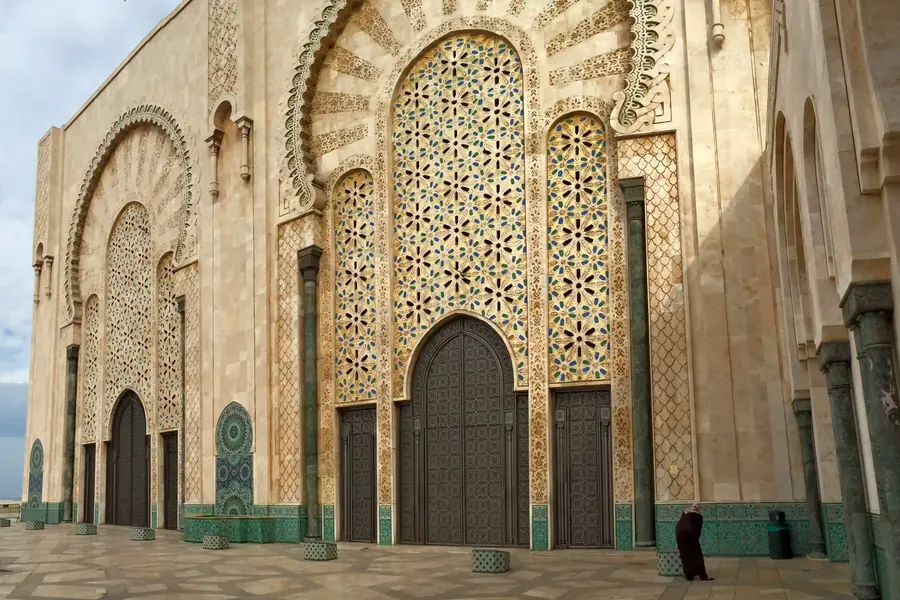 6-Day Morocco Desert Tour from Casablanca to Marrakech6 Days / 5 Nights · Casablanca → Meknes → Fes → Merzouga → Marrakech
-
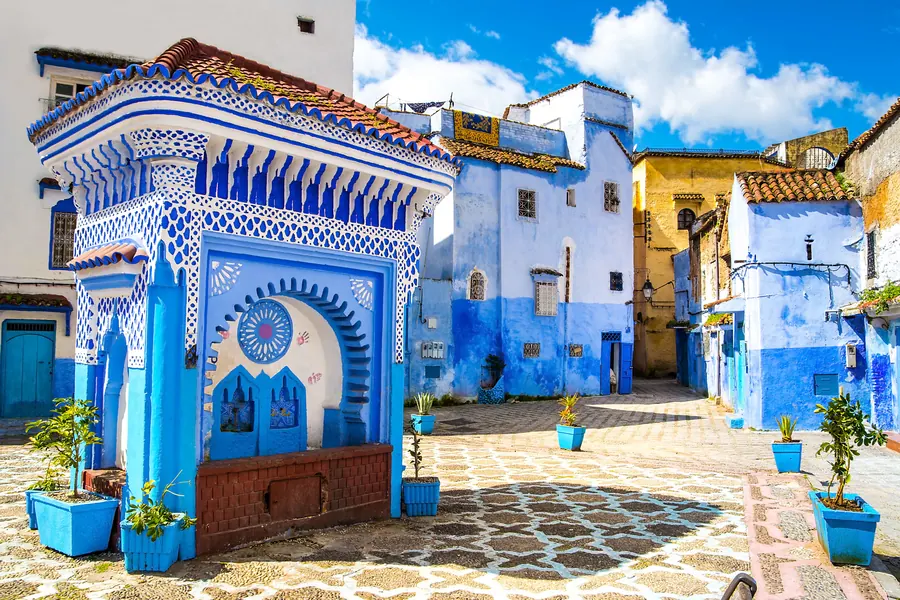 10-Day Morocco Tour from Casablanca via the Sahara Desert10 Days / 9 Nights · Casablanca → Chefchaouen → Fes → Merzouga → Marrakech
-
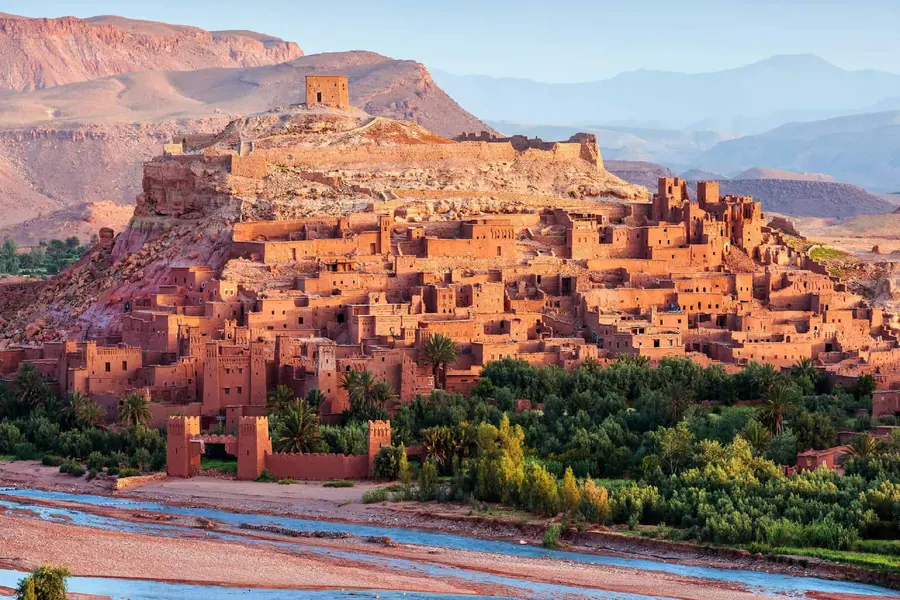 3-Day Desert Tour from Marrakech to Fes via Merzouga3 Days / 2 Nights · Marrakech → Dades → Merzouga → Fes

Written by the Desert Merzouga Tours teamLocal guides and drivers from the Moroccan Sahara. Meet our team or ask us a question.