A trip to Morocco is remembered less for the monuments than for the moments: tea poured from a height, the call to prayer over a rooftop at dusk, the silence of the desert at night. These are the fifteen experiences we think define the country.
1. In the desert
The Sahara is the part of Morocco people talk about for years afterwards. The four experiences below all happen within twenty-four hours in Merzouga, which is why even a single night there is worth the long drive.
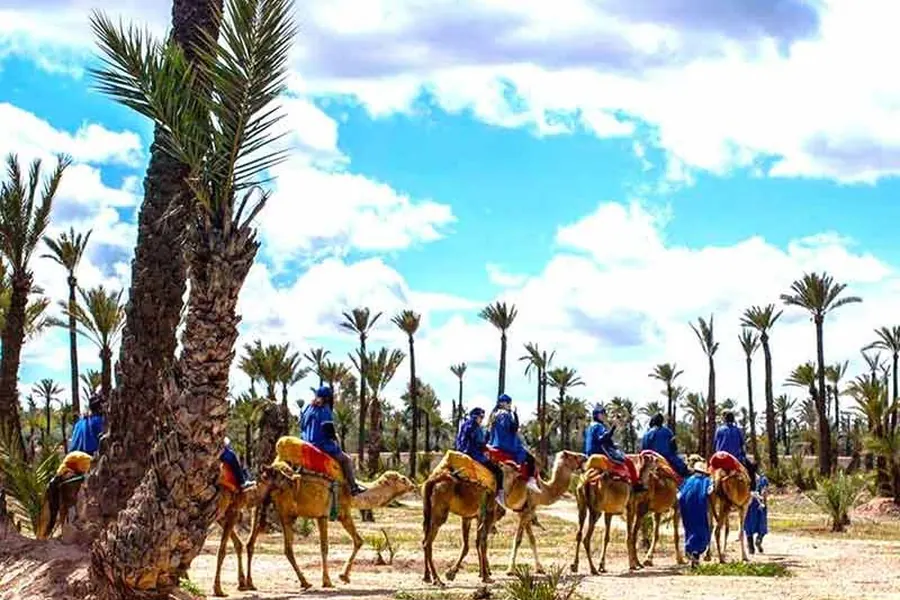
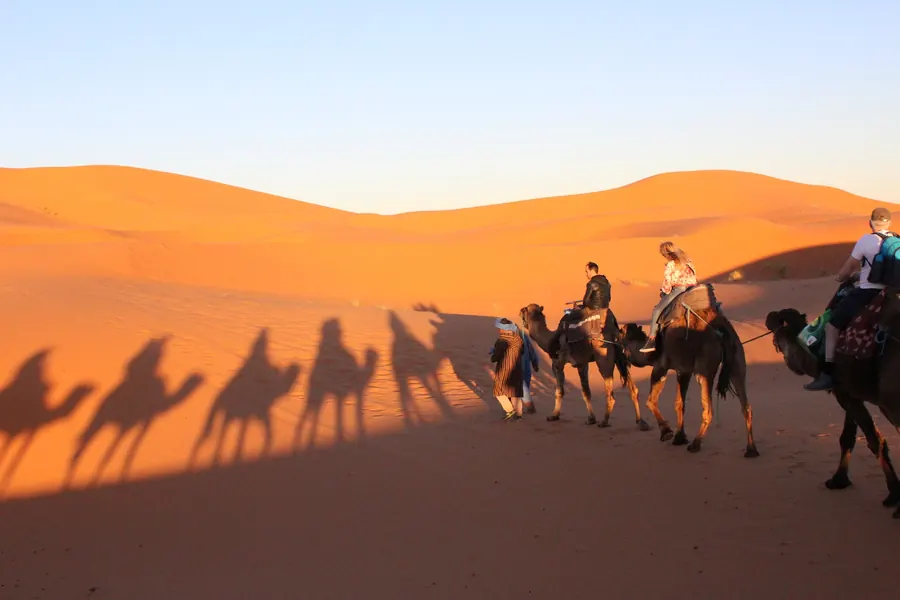
- Ride a camel into the dunes: At sunset, in Erg Chebbi near Merzouga.
- Sleep in a desert camp: Dinner, drums and a sky crowded with stars.
- Watch the sunrise from a dune: Worth the early alarm.
- Meet a nomad family: Share tea and learn how life works on the hamada.

2. In the cities
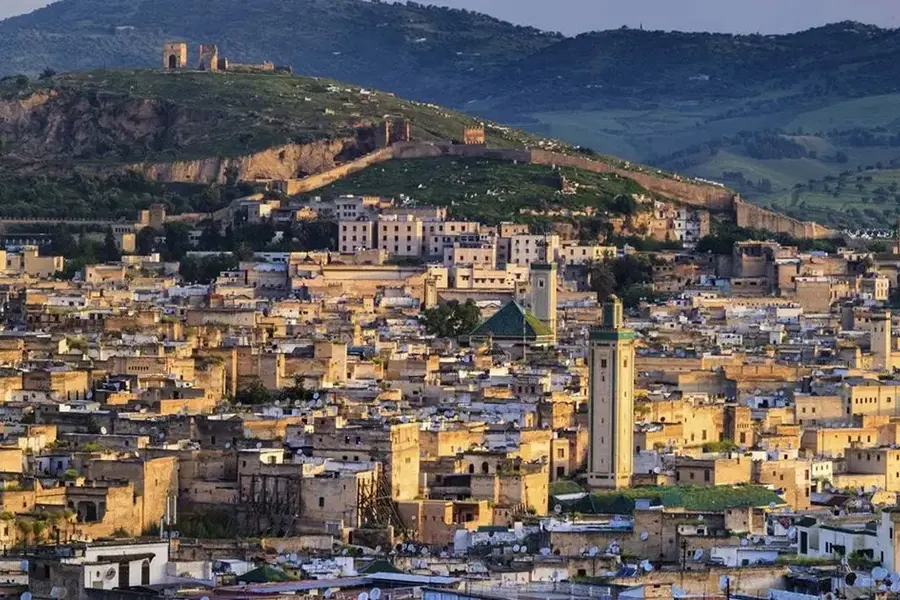
Moroccan cities are best understood on foot. Behind the walls of each medina lies a world of workshops, bakeries, fountains and hidden courtyards that has changed little in centuries.
- Get lost in a medina: Fes for the deepest maze, Marrakech for the liveliest.
- Spend an evening on Jemaa el-Fna: Food stalls, music and storytellers.
- Stay in a riad: A traditional house around a courtyard, hidden behind a plain door.
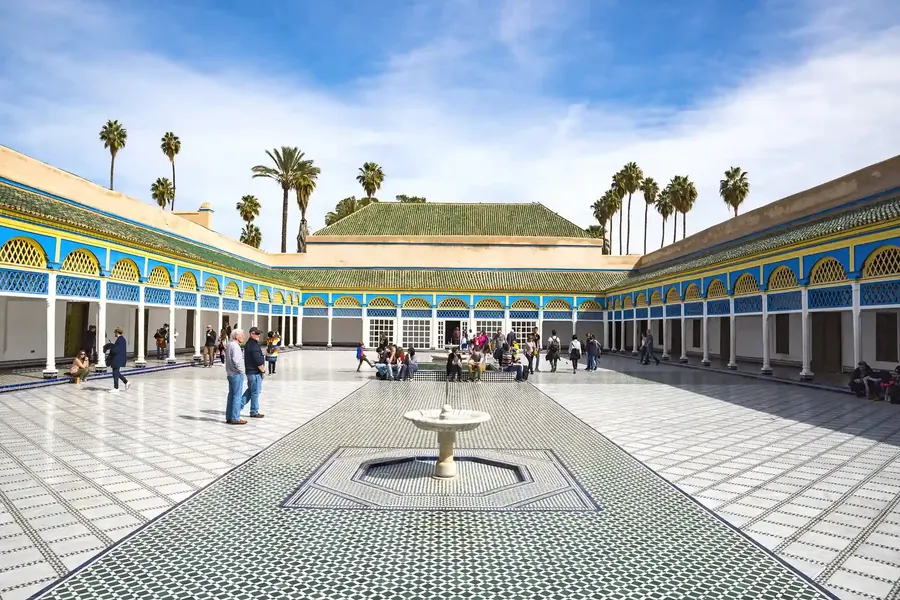
- Visit a madrasa: The Bou Inania in Fes or Ben Youssef in Marrakech show Moroccan craftsmanship at its finest.
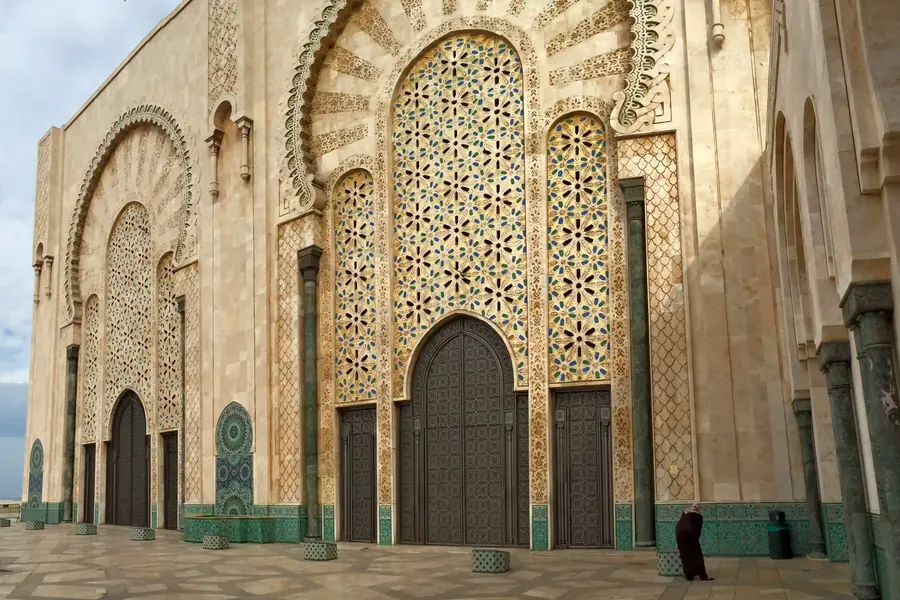
- See the Hassan II Mosque: In Casablanca, one of the few mosques in Morocco open to non-Muslim visitors on guided tours.

Local tip: Hire a local guide for your first hours in a big medina. Afterwards, wander alone: getting a little lost is part of the pleasure.
3. In the mountains and valleys
Between the cities and the desert stand the Atlas ranges, and south of them a string of oases, gorges and earthen castles. Many travellers expect this to be the dull part of the drive and end up calling it their favourite.
- Walk in the Atlas: Day hikes from Imlil, or the climb of Toubkal for the fit.
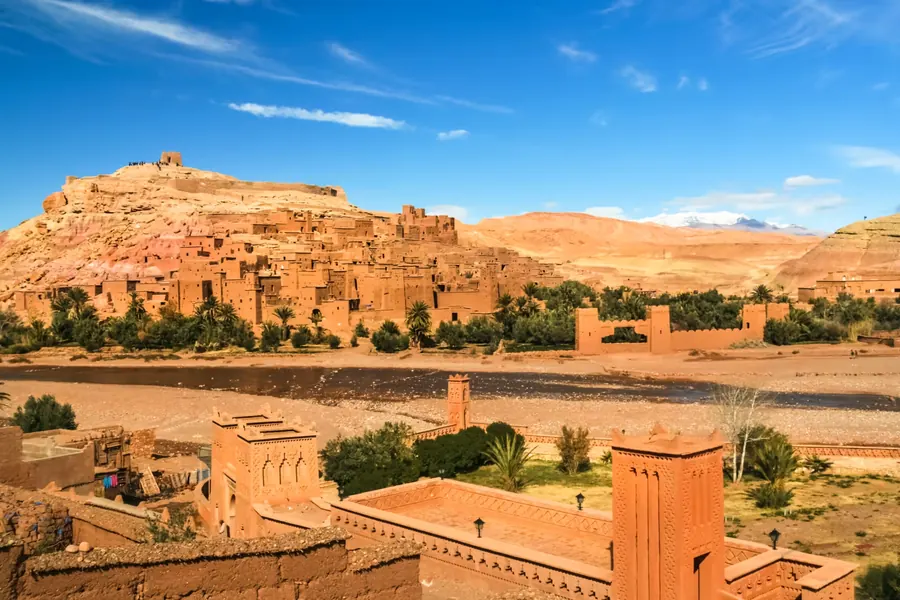
- Drive the Road of a Thousand Kasbahs: From Ouarzazate through Skoura and the Dades Valley.
- Walk through the Todra Gorge: Between 300-metre walls of limestone.
4. For the senses
Some of the best things in Morocco are not places at all. They are tastes, smells and rituals, and you can find them in any town.
- Take a cooking class or simply eat well: Tagine, couscous on Friday, pastilla and harira.
- Try a hammam: The traditional steam bath, with black soap and a vigorous scrub.
- Shop for crafts: Carpets, pottery, leather and lanterns, bought from the people who make them.
5. The best season for each experience
- Desert camel trek and camp: October to April for comfortable days; choose a heated tent in midwinter.
- Medinas of Fes and Marrakech: March to May and late September to November.
- Atlas walking: April to June and September to October; snow closes the high trails in winter.
- The Valley of Roses: Late April and May, when the roses are picked.
- The Atlantic coast: June to September, when the interior is hottest.
- Almond blossom in the south: Late January and February.
6. Ideas for every kind of traveller
- Families: Camel rides, sandboarding, the monkeys of the cedar forest and a night in a tent.
- Couples: A riad with a roof terrace, a private camp in the dunes and a hammam for two.
- Photographers: Sunrise at Erg Chebbi, the tannery in Fes and the kasbahs at golden hour.
- Active travellers: Hiking from Imlil, walking the Todra Gorge and climbing the high dunes on foot.
- Food lovers: A market tour and cooking class, Friday couscous and the food stalls of Marrakech.
7. How to fit it all in
Not every experience needs a separate day. A good route combines them naturally: a riad and a medina in Fes, a drive through the Middle Atlas, a night in the desert, the gorges and kasbahs on the way to Marrakech, then a hammam to wash off the sand.
As a guide, three days is enough for one city and one night in the desert. A week lets you add the second great city, the gorges and the kasbah road. Ten days gives you time for Chefchaouen or Essaouira as well, with a free day here and there to do nothing but sit on a terrace.
Whatever the length, leave room for the unplanned. A market you happen to pass, an invitation to tea, a viewpoint your driver knows: these are often the moments that stay with you.
8. A few words on etiquette
- Use your right hand for eating and greeting.
- Ask before photographing people.
- Dress modestly outside beach resorts.
- Accept tea when it is offered: it is a sign of welcome.
9. Small moments worth looking for
Beyond the big experiences are the small ones that cost nothing. Buy bread still warm from a neighbourhood oven. Sit in a café at the hour when the whole town comes out to walk. Listen to the call to prayer roll across a city from a roof terrace. Stop at a weekly country market where farmers arrive by donkey. Ask your guide about his own village; the answer is usually the best story of the day.
Morocco is a country you taste, hear and smell as much as you see.
Frequently Asked Questions
What is Morocco best known for?
Its medinas and souks, the Sahara desert, the Atlas Mountains, its cuisine and its tradition of hospitality.
What should I not miss on a first trip?
Marrakech or Fes, a night in the Sahara and the drive through the kasbahs and gorges of the south.
Is Morocco good for families?
Very. Children are welcomed everywhere, and camel rides, sandboarding and the monkeys of the cedar forest are reliable favourites.
Which experience do your guests enjoy most?
The night in the desert, almost without exception: the camel ride at sunset, the music by the fire and the sunrise over the dunes.
Can I do these things without a guide?
Many of them, yes. City sights are easy to visit alone. For the desert, the mountains and the long drives between them, a local driver-guide makes the trip simpler and richer.
See It on One of Our Tours

Written by the Desert Merzouga Tours teamLocal guides and drivers from the Moroccan Sahara. Meet our team or ask us a question.