Morocco has one of the deepest Jewish histories in the Arab world, and hundreds of thousands of Israelis have family roots here. Since direct flights were introduced in 2021, travel between the two countries has become far simpler, though schedules have changed more than once. Here is what to know before you book.
1. Direct flights: the background
Morocco and Israel re-established diplomatic relations in December 2020, and the first direct commercial flights between Tel Aviv and Marrakech followed in July 2021. A route between Tel Aviv and Casablanca was added in 2022. Several airlines have operated on these routes, including Royal Air Maroc and Israeli carriers.
Services have been suspended and restarted at different times since then, depending on the regional situation. Always check directly with the airlines for current schedules.
Local tip: If no direct flight suits your dates, connections through Madrid, Paris, Istanbul or other European hubs are frequent and reliable.
2. Flight time and airports
A direct flight from Tel Aviv takes roughly five to six hours. Marrakech Menara airport is 15 minutes from the medina and is the best arrival point for the desert and the south. Casablanca Mohammed V, the country's main hub, suits a circuit of the imperial cities and the north.
3. Entry requirements
Entry rules depend on your passport and can change. Morocco operates an electronic visa system for certain nationalities, and requirements for Israeli passport holders should be confirmed on the official Moroccan e-visa portal or with a consulate before you travel. A passport valid for at least six months is recommended.
4. A short history of Jewish Morocco
Jewish communities have lived in Morocco for more than two thousand years, long before the arrival of Islam, and some Amazigh tribes of the Atlas and the Sahara were themselves Jewish. After 1492, tens of thousands of Jews expelled from Spain and Portugal settled in Fes, Tetouan, Rabat and other cities, bringing Andalusian learning, music and crafts.
From the 15th century, Jewish families lived in walled quarters called mellahs, usually beside the royal palace and under the sultan's protection. The first was created in Fes in 1438. By the middle of the 20th century the community numbered well over two hundred thousand people.
Most emigrated after 1948, to Israel, France and Canada. Only a small community remains today, mainly in Casablanca, but the ties are strong: Moroccans remember King Mohammed V's refusal to hand over his Jewish subjects during the Second World War, and synagogues and cemeteries across the country have been restored in recent years.
5. Jewish heritage in Morocco
Jewish sites are spread across the country, and most lie on the routes travellers follow anyway. These are the places our guests ask for most often.
- Casablanca: The Museum of Moroccan Judaism, often described as the only museum of its kind in the Arab world, and active synagogues such as Beth-El.
- Fes: The Mellah, the oldest Jewish quarter in Morocco, with the restored Ibn Danan synagogue and the white Jewish cemetery.
- Marrakech: The Mellah, the Lazama (Slat al-Azama) synagogue and the Miaara cemetery.
- Essaouira: Bayt Dakira, a house of memory dedicated to the town's Jewish history, and the Haim Pinto synagogue.
- The south: Old mellahs in the Drâa Valley and around Rissani, once home to Jewish traders and silversmiths.
- Ouezzane and other shrines: Tombs of revered rabbis visited during annual hiloula pilgrimages.
6. Kosher food and Shabbat
Kosher restaurants and catering are available in Casablanca and Marrakech, and some hotels can arrange kosher meals with notice. In the south and the desert it is harder, so tell your tour organiser well in advance. A private itinerary can be planned around Shabbat, with no driving and accommodation within walking distance of a synagogue where one exists.
7. Mimouna and the hiloula pilgrimages
Mimouna, the celebration at the end of Passover, is a Moroccan Jewish tradition. Families open their doors to neighbours, Jewish and Muslim alike, and serve mufleta, a thin pancake eaten with butter and honey.
A hiloula is a pilgrimage to the tomb of a revered rabbi on the anniversary of his death. Among the best known are those of Rabbi Amram ben Diwan near Ouezzane, Rabbi Haim Pinto in Essaouira and Rabbi David ou Moshe in the mountains south of Marrakech. They draw visitors from around the world, so accommodation should be booked well in advance.
8. Planning your route
A week allows Casablanca, Rabat, Fes and Marrakech with their Jewish sites. Ten days adds the Sahara and the kasbah route. Because every tour we run is private, the itinerary, pace and meals can be adapted to your group.
If your family came from a particular town or village, tell us when you enquire. Many smaller places in the Atlas and the south still have a recognisable mellah, a cemetery or a synagogue building, and a detour can often be arranged.
9. A sample eight-day heritage route
- Day 1: Arrive in Casablanca. Visit the Museum of Moroccan Judaism and the Hassan II Mosque.
- Day 2: Rabat, then Meknes and its old mellah, and on to Fes.
- Day 3: Fes, with the Mellah, the Ibn Danan synagogue and the medina.
- Day 4: Over the Middle Atlas and down the Ziz Valley to Merzouga and the dunes.
- Day 5: Rissani and the Todra Gorge to the Dades Valley.
- Day 6: Ouarzazate, Aït Benhaddou and the High Atlas to Marrakech.
- Day 7: Marrakech, with the Lazama synagogue, the Mellah and the souks.
- Day 8: A day in Essaouira, or departure from Marrakech.
10. Practical tips
- Synagogues: Some open only by appointment, and a small donation is customary. Your guide can arrange visits.
- Language: French and English are widely spoken in tourism, and Hebrew-speaking guides can be requested in the main cities, subject to availability.
- Fridays and Saturdays: Tell us early if you observe Shabbat so that driving days can be arranged around it.
- Dress: Modest clothing is appropriate at religious sites of all faiths.
- Money: The dirham is a closed currency, so change money or use an ATM after you arrive.
Frequently Asked Questions
Are there direct flights from Israel to Morocco now?
Direct routes have operated since 2021 but have been suspended at times. Check with the airlines for the current situation before you plan.
Is Morocco welcoming to Jewish and Israeli visitors?
Yes. Morocco takes pride in its Jewish heritage, which is recognised in the country's constitution, and visitors are received warmly.
Which airport is best for a desert tour?
Marrakech. From there the route to Merzouga crosses the High Atlas and the kasbahs of the south.
How many days do I need for a Jewish heritage tour?
A week covers the four main cities. Ten days lets you add the Sahara and Essaouira without rushing.
Can a tour be planned around Shabbat?
Yes. Because our tours are private, we can plan two nights in the same city with no driving, close to a synagogue where there is one.
See It on One of Our Tours
-
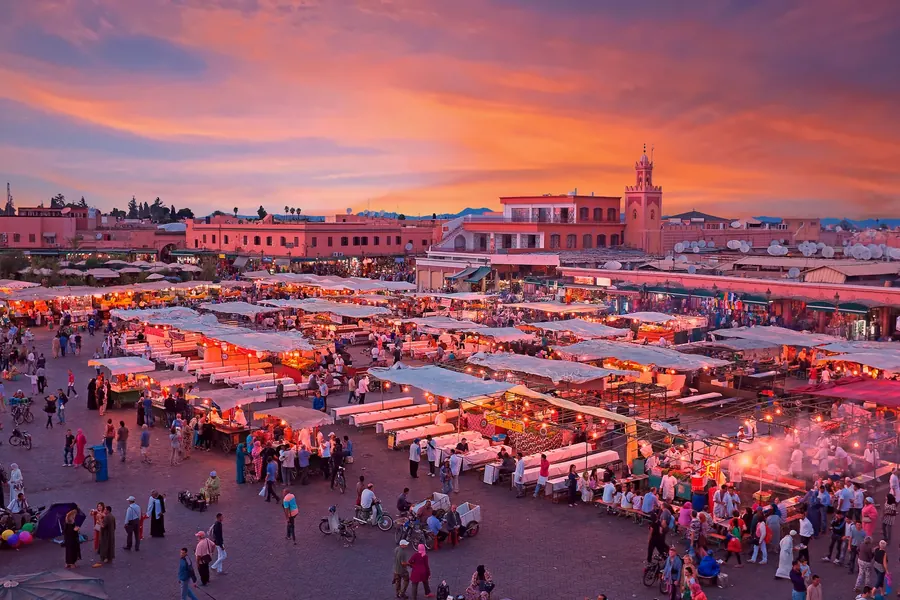 7-Day Morocco Tour from Casablanca: Imperial Cities7 Days / 6 Nights · Casablanca → Rabat → Fes → Ifrane → Marrakech
-
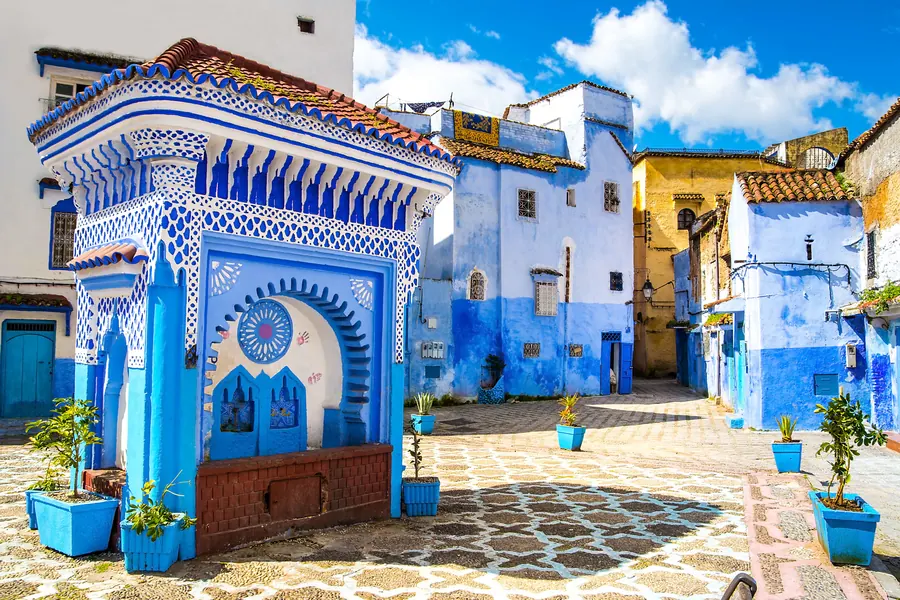 10-Day Morocco Tour from Casablanca via the Sahara Desert10 Days / 9 Nights · Casablanca → Chefchaouen → Fes → Merzouga → Marrakech
-
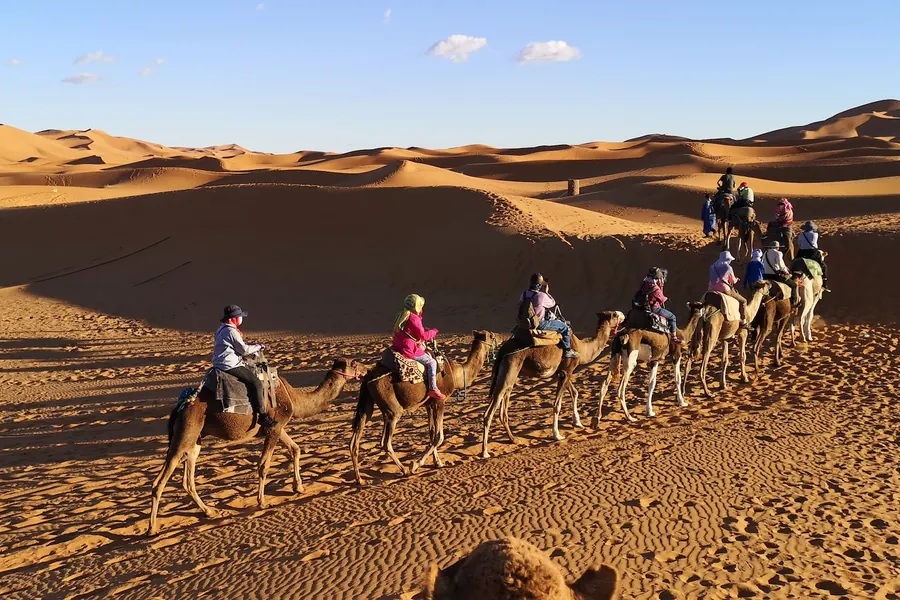 3-Day Marrakech to Merzouga Desert Tour3 Days / 2 Nights · Marrakech → Dades Valley → Merzouga → Drâa Valley

Written by the Desert Merzouga Tours teamLocal guides and drivers from the Moroccan Sahara. Meet our team or ask us a question.